
ORIGIN OF PATENTS
A patent is an exclusive right granted for an invention. Patents benefit inventors by providing them with legal protection of their inventions.[1] As per the Intellectual Property No.36 of 2003 (as amended) of Sri Lanka, section 63 provides that an invention is considered Patentable only if it is new and does not form part of the prior art, involves an inventive step, and is industrially applicable.
The first reference in history to the protection of one’s creation dates back to 500 BCE, where Chefs of the Greek Colony of Sybaris in Italy were given a Year to enjoy monopolized profit for a unique culinary dish that they had created.
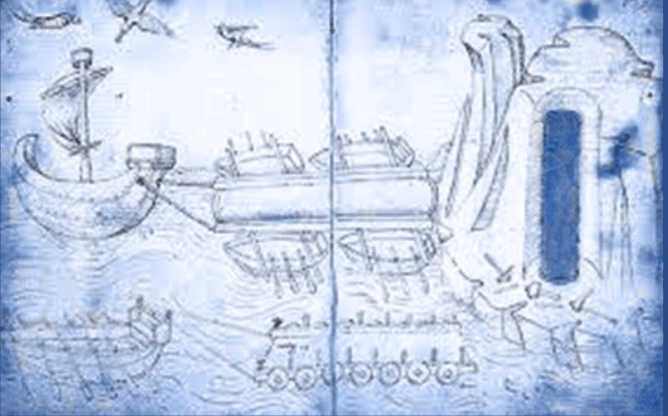
The earliest record of the grant of a modern patent is found in 1416, whereby the Great Council of Venice granted to Ser Franciscus Petri a 50-year exclusive right over a device he invented to make felt from wool. Although previously, an exclusive right was granted to inventors, the earliest record of an exclusive right granted by the State was in 1421, where the State of Florence granted unto Filippo Brunelleschi protection of his IP rights as an Inventor, for the invention of a unique barge, which he called the “II Bandalone” with hoisting gear designed for transporting marble across the waters of Florence. Brunelleschi was granted such protection and the monopoly over the use and manufacture of the invention for 3-years.
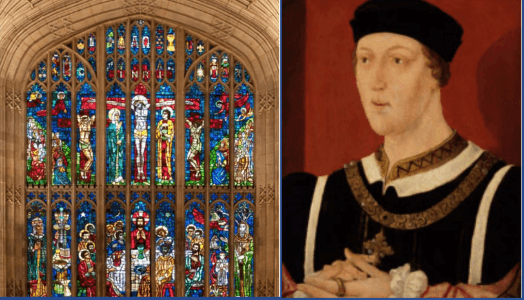
In 1449, the First English Patent was granted by the Crown by way of a “Letters Patent”, to John of Utynam by King Henry VI for 20 years rendering the inventor a monopoly for a glass-making process that was unknown to English society at the time.
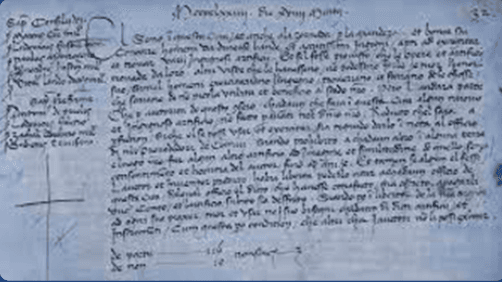
The exclusive rights granted by the State were granted on an Ad Hoc basis, until in 1471 the Venetian Senate passed the first Patent Statute replacing the existing ad hoc legal framework for the recognition and protection of rights of inventors. This Statute is accredited as being the foundation of Modern Patent Law.
In England, the Crown granted monopolies for trades and manufacturers, including patents for invention. Queen Elizabeth I granted about 50 patents from 1561 to 1590, allowing the recipients to exercise monopolies in the sale and manufacture of goods such as soap, leather, glass, salt, sailcloth, iron and paper.
However, under the reign of Elizabeth I and her successor James I, the power of granting monopolies became increasingly abused. Monopolies were granted for inventions and trades that were not novel, often to Royal favourites as a means to replenish Royal coffers and raise money for the Crown. Subsequently, the Court began to limit situations in which monopolies could be granted, which resulted in the enactment of the first English Patent in 1624 to counter the abuse of the system of granting of Letters Patent.
DEVELOPMENT OF TRADEMARKS
A trademark is a sign capable of distinguishing the goods or services of one enterprise from those of other enterprises.
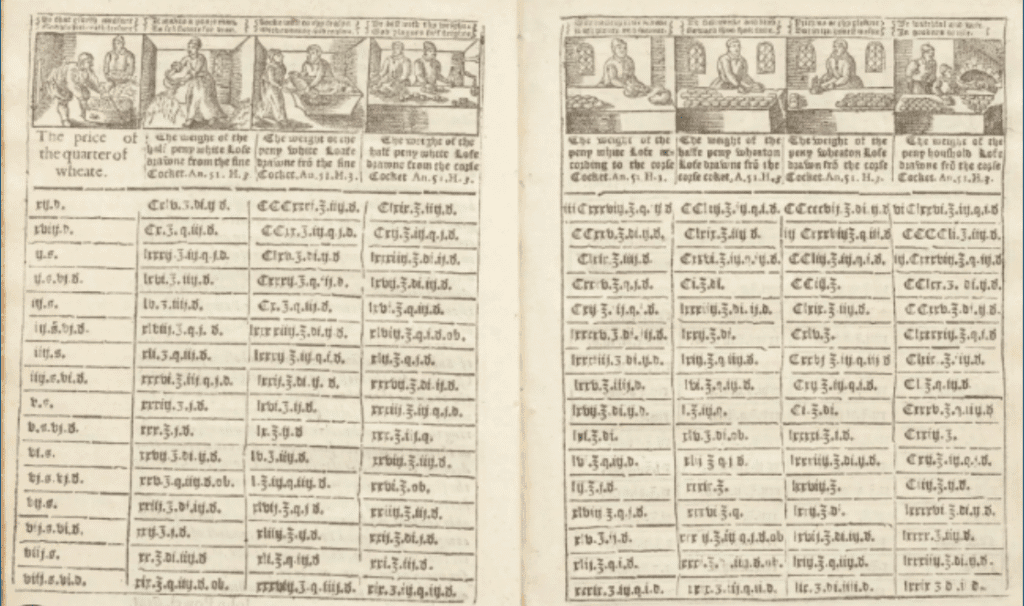
The First Legal framework passed to regulate the usage of marks was “The Assize of Bread and Ale” in England in 1266 which was passed by the Parliament of England with the intention of requiring bakers to place a mark on their produce to indicate its origin.
However, it was not until 1857 that the first modern statute on Trademarks was enacted in France. The Manufacture and Goods Mark Act of France is accredited to be the first comprehensive trademark system in the world.
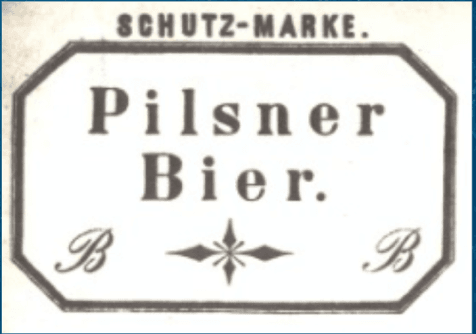
The first registered trademark in the world was in the Czech Republic in 1859 by the Burgher’s Brewery under the logo “Pilsner Bier”.
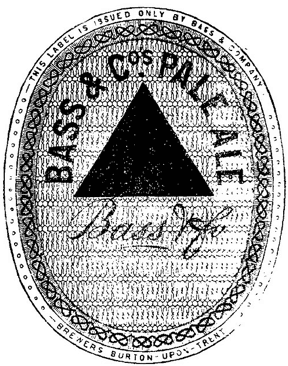
The Trademarks Registry opened in London on 01st January 1876 when it received the first application for what became Trade Mark No. 1, the famous BASS & CO Red Triangle label, now owned by Brandbrew S.A.
It is interesting to note that despite being in use for several years prior, it was only with the introduction of the Trademarks laws and the establishment of the Trademark registries in each jurisdiction that several companies were able to apply for Trademark protection and registration. For instance, the mark of “LOWENBRAU” was only registered in 1886, despite the mark being in use since 1383 making it one of the oldest used marks in history.

HISTORY OF COPYRIGHTS
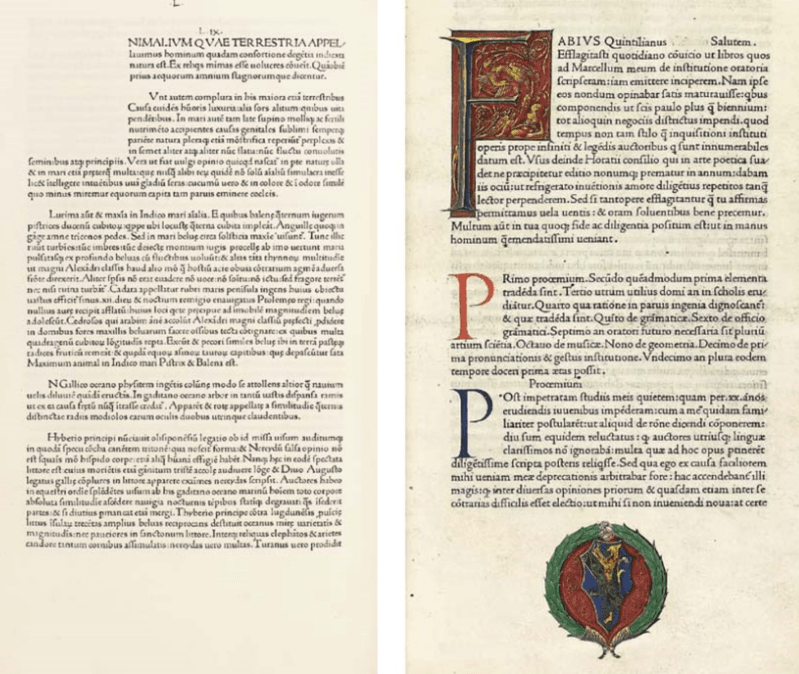
A Copyright is a right that creators have over their literary and artistic works. The first acknowledgement of a Copyright was in 1469, whereby the Senate of Venice issued an order, granting John of Spira the exclusive privilege for five years to print the Epistles of Cicero and of Pliny.
Prior to this, an author of a literary or artistic work was not expressly provided proteciton of his rights. However, similar concepts were recognized. For example, in 1403 the Stationer’s Company was established for the purpose of maintaining a monopoly over the publishing industry and was officially responsible for setting and enforcing regulations. Additionally, the Constitutions of Oxford by Archbishop Thomas Arundel of 1407 prohibited the translation of the Bible to English, and the reading of and/or possessing an English Bible. Under the Constitutions, only the Church had the authority to make such translation. This is one of the earliest evidence of monopolistic control of a Literary writing.
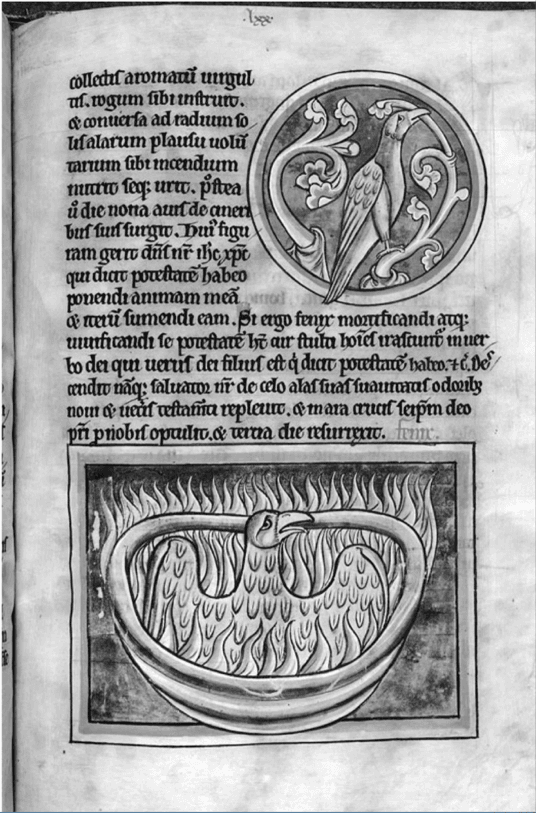
It was not until 1491 that an author was directly awarded a copyright. The first recorded instance of a copyright awarded directly to an author was in Venice to Peter of Ravenna, and the publisher of his choice, the exclusive privilege to print and sell his novel, “Phoenix”.
In 1530 John Palsgrave was given an exclusive privilege of seven-years to capitalize on his works. This was the first recorded instance of recognition of the nature of copyright as furnishing a reward to the author for his labour.
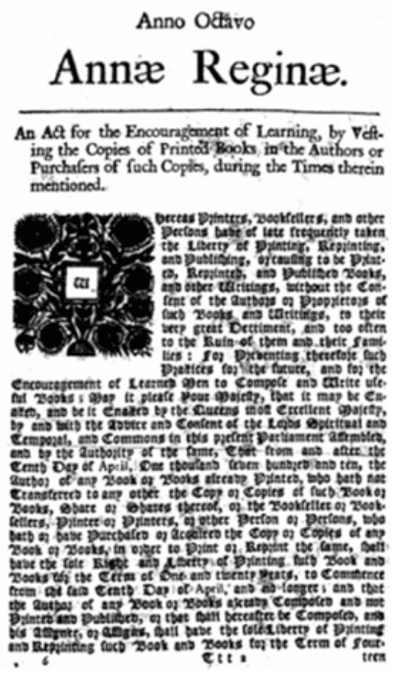
In 1710, the Statute of Anne was passed by the English Parliament. This serves as a legislative instrument to grant a monopoly right over authored content, prescribing a 14-year copyright term.
DEVELOPMENT OF INTELLECTUAL PROPERTY RIGHTS IN SRI LANKA
Sri Lanka was introduced to the protection of IP Rights during the British Colonial Period whereby the British Inventors Ordinance 1859 was the first ever Ceylonese statute enacted in recognition of Intellectual Property Right, although this Statute was exclusively in respect of the grant of Patents. Under the British Inventors Ordinance, the first Patent was registered and granted in 1860 to John Walker, a British engineer for a disc coffee pulping machine, which contributed to the rise of coffee machine exports from Ceylon.
First Trademark legislation of Sri Lanka was the Trademark Ordinance No.14 of 1888, followed by the Telegram Copyright Ordinance No.19 of 1898 which was the first legislation in Sri Lanka pertaining to Copyrights, vesting exclusive rights to publishers of telegraphic press messages.
The British Inventors Ordinance was thereafter repealed leading to the enactment of the Patents Ordinance 1906 which was the First Patent Legislation of Sri Lanka. The Copyright Ordinance No.12 of 1908 was enacted shortly afterwards making this the first Copyright Statute awarding exclusive rights to authors. It was under this statute that the Office of the Registrar of Copyrights was established.
After the grant of Independence, the Code of Intellectual Property Act No.52 of 1979 was enacted, resulting in the Consolidation of all IP Legislation to a single statue under Sri Lankan Law.
At present, all IP rights in Sri Lanka are regulated and protected under the Intellectual Property Act No.36 of 2003. Accordinlgy,